Full container load
A dedicated container gives your consignment its own space. Confirm the container type, payload, loading method and availability before planning collection.
Freight solutions
Explore the transport options and planning details that help turn a cargo requirement into a workable journey.
01 / Ocean freight
For planned replenishment and larger cargo volumes, ocean freight offers a way to balance shipment size, handling and overall transport cost.
What to prepare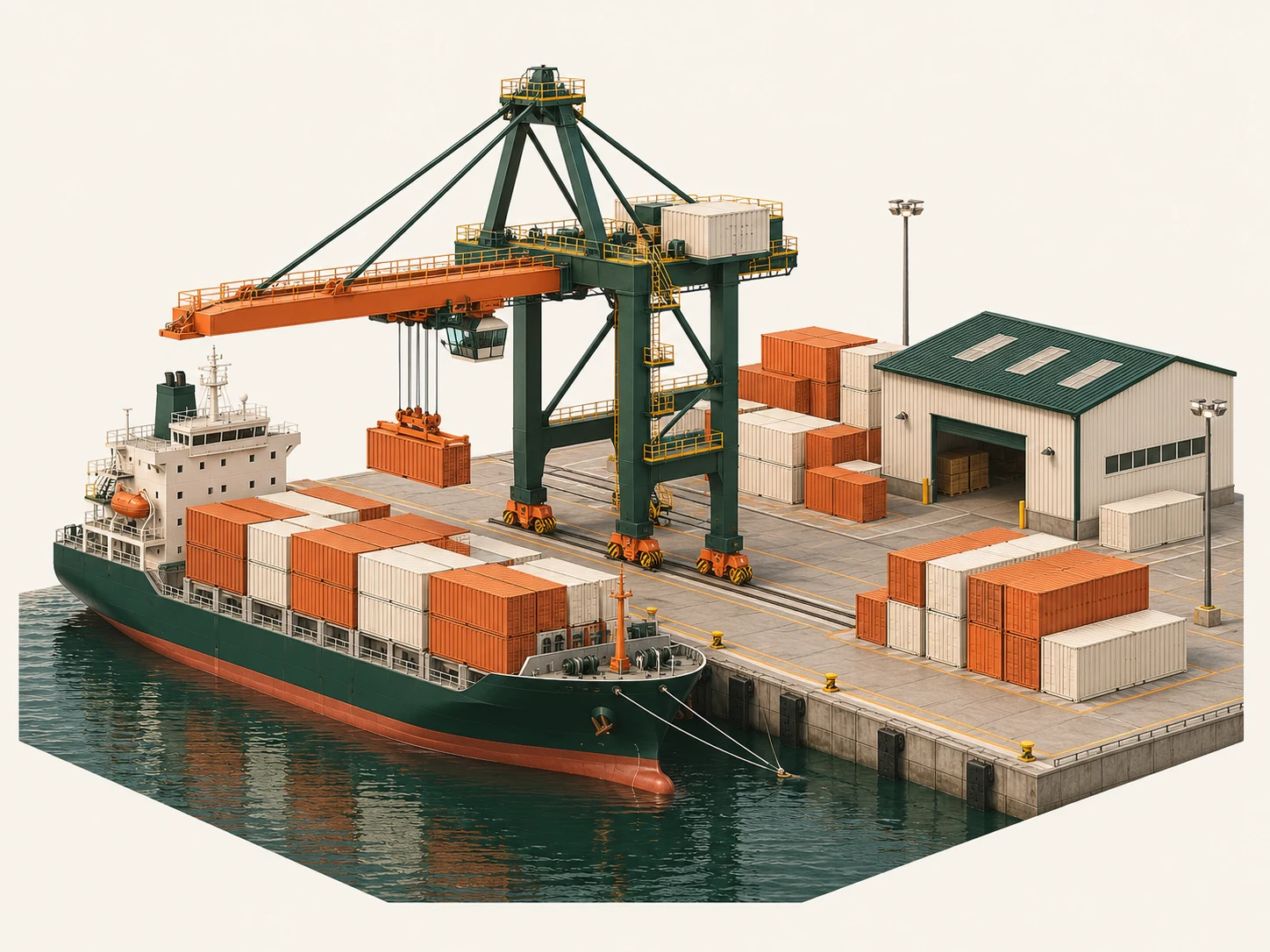
A dedicated container gives your consignment its own space. Confirm the container type, payload, loading method and availability before planning collection.
Smaller consignments share container space. Allow for consolidation, handling at origin and destination, and any cargo compatibility requirements.
A useful plan includes the whole movement: cargo readiness, collection, terminal cut-offs, destination handling and final delivery.
Package count, gross weight, dimensions, commodity description and ready date. For containerised cargo, include loading access and any equipment requirements.
Sailing dates and arrival estimates are subject to carrier schedules, capacity, port conditions and the confirmed booking.
02 / Air freight
For urgent replenishment, samples and time-sensitive goods, air freight planning begins with the delivery requirement and works back to cargo readiness.
What to prepare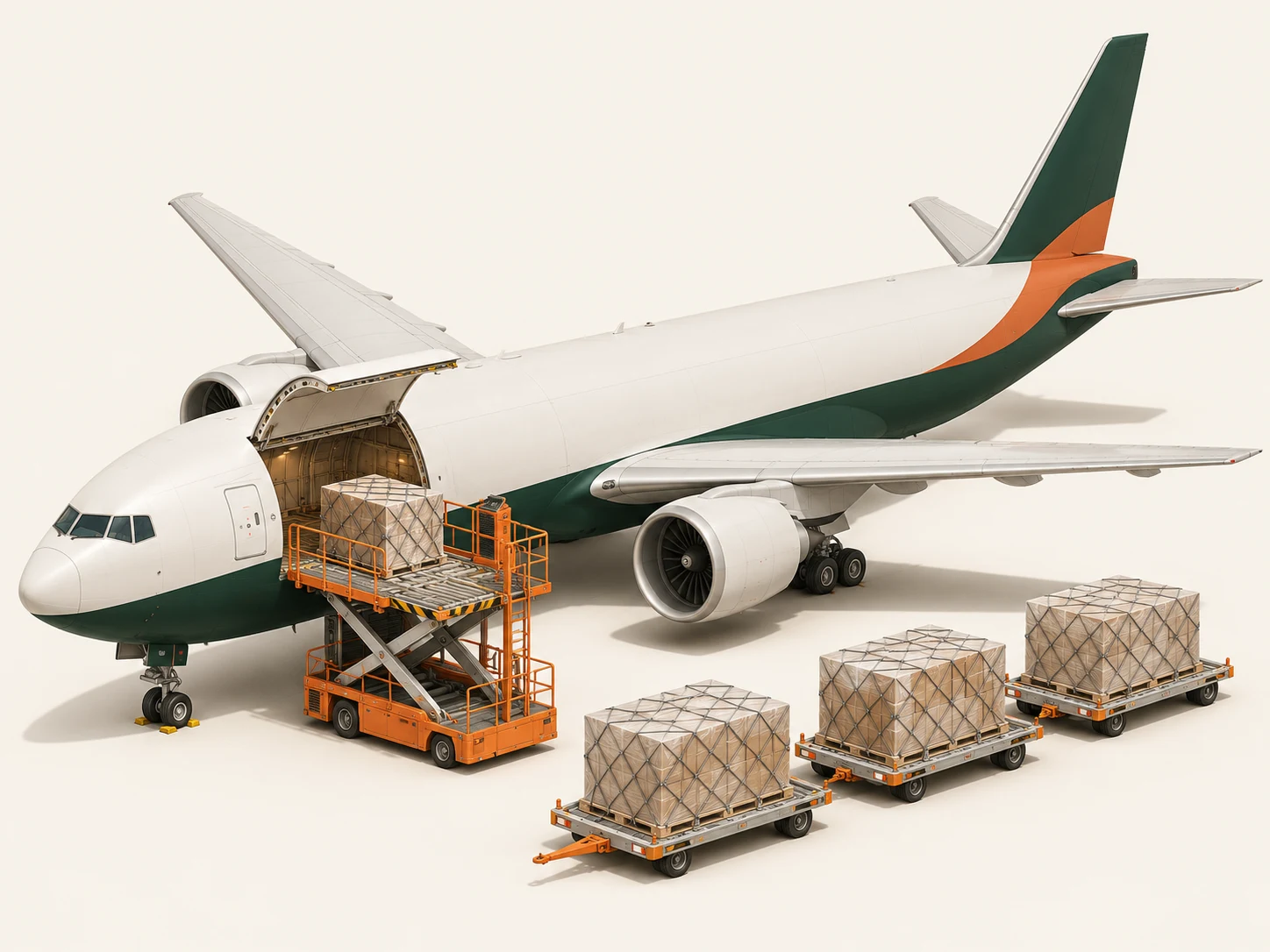
Air freight pricing commonly considers both actual weight and space occupied. Provide dimensions for each package, including the outer packaging.
Contents, batteries, liquids, magnets and other regulated items may need additional review. Share product details before booking space.
An airport arrival is one milestone. Customs arrangements, release and onward delivery still need to be included in the plan.
Dimensions and weight per package, commodity details, cargo-ready date, destination and any supporting safety documents.
Flight options, acceptance and transit estimates depend on the lane, cargo characteristics and available capacity.
03 / Inland transport
Road movements link suppliers, ports, airports and receiving locations. Clear collection and delivery details help make those handovers practical.
What to prepare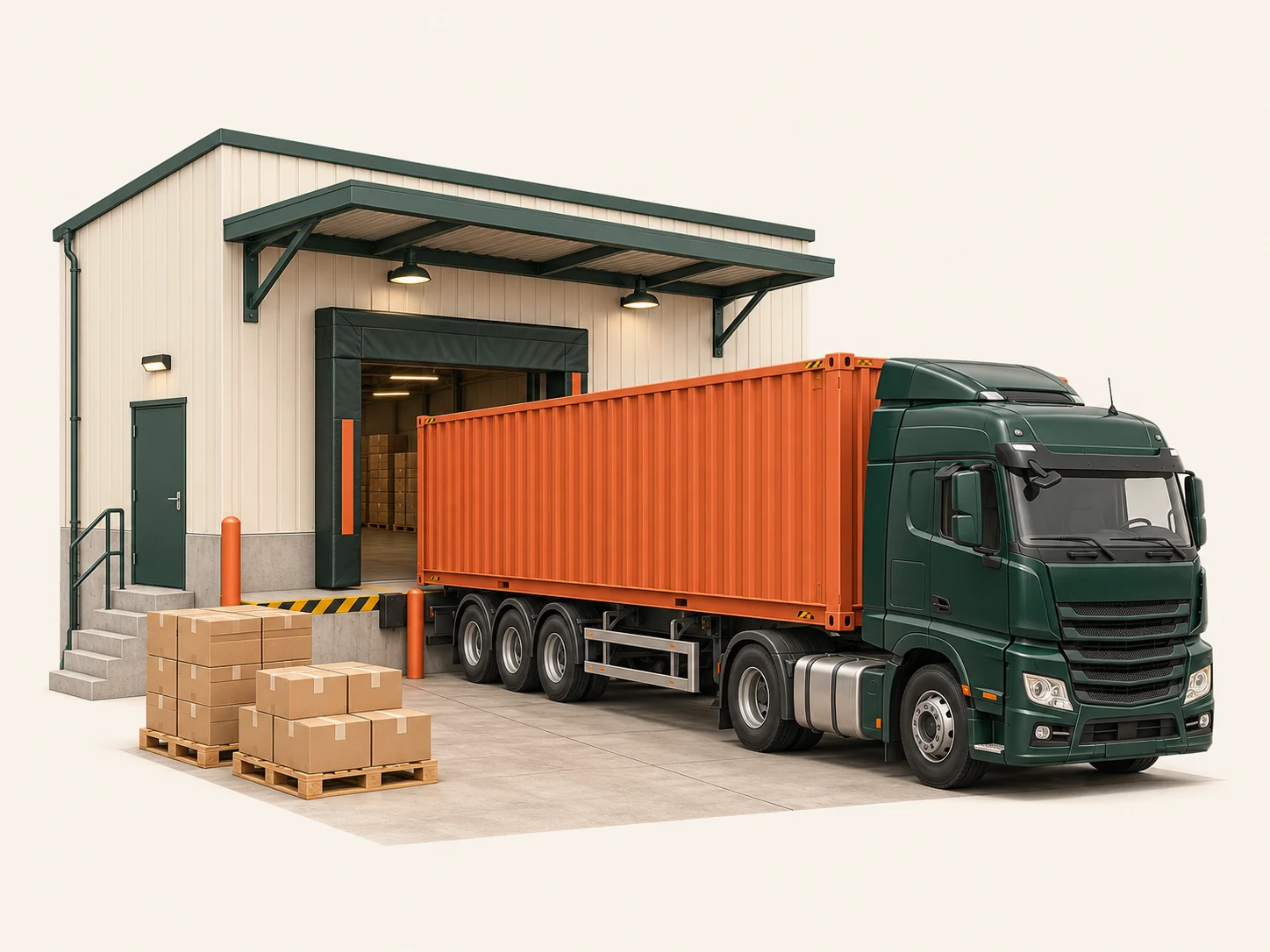
Confirm the collection address, working hours, site contact and loading arrangements. Identify access restrictions before choosing a vehicle.
Tell the receiving party what is arriving. Delivery appointments, unloading equipment and package sizes can all affect the final movement.
Plan road transport against terminal availability and cargo release. A change to the main freight schedule may change the onward delivery window.
Full collection and delivery addresses, package sizes, total weight, loading facilities and any time-window restrictions.
Vehicle type, access and service availability must be checked for the specific origin and destination.
04 / Shipment coordination
A shipment depends on more than its main transport leg. Good preparation connects the cargo details, documents and responsibilities at each stage.
What to prepare
Descriptions, quantities, weights and parties should agree across the commercial invoice, packing list and transport instructions.
Identify who arranges collection, export formalities, main carriage, insurance and destination clearance under the agreed sale terms.
Define the important milestones and how changes should be communicated. Cargo readiness, departure, arrival and release are distinct events.
Commercial invoice, packing list, agreed Incoterms and named place, shipper and consignee details, and any product-specific requirements.
Customs requirements and product restrictions vary by destination. Any brokerage, insurance or specialist handling scope must be agreed separately.
A little preparation makes a difference